

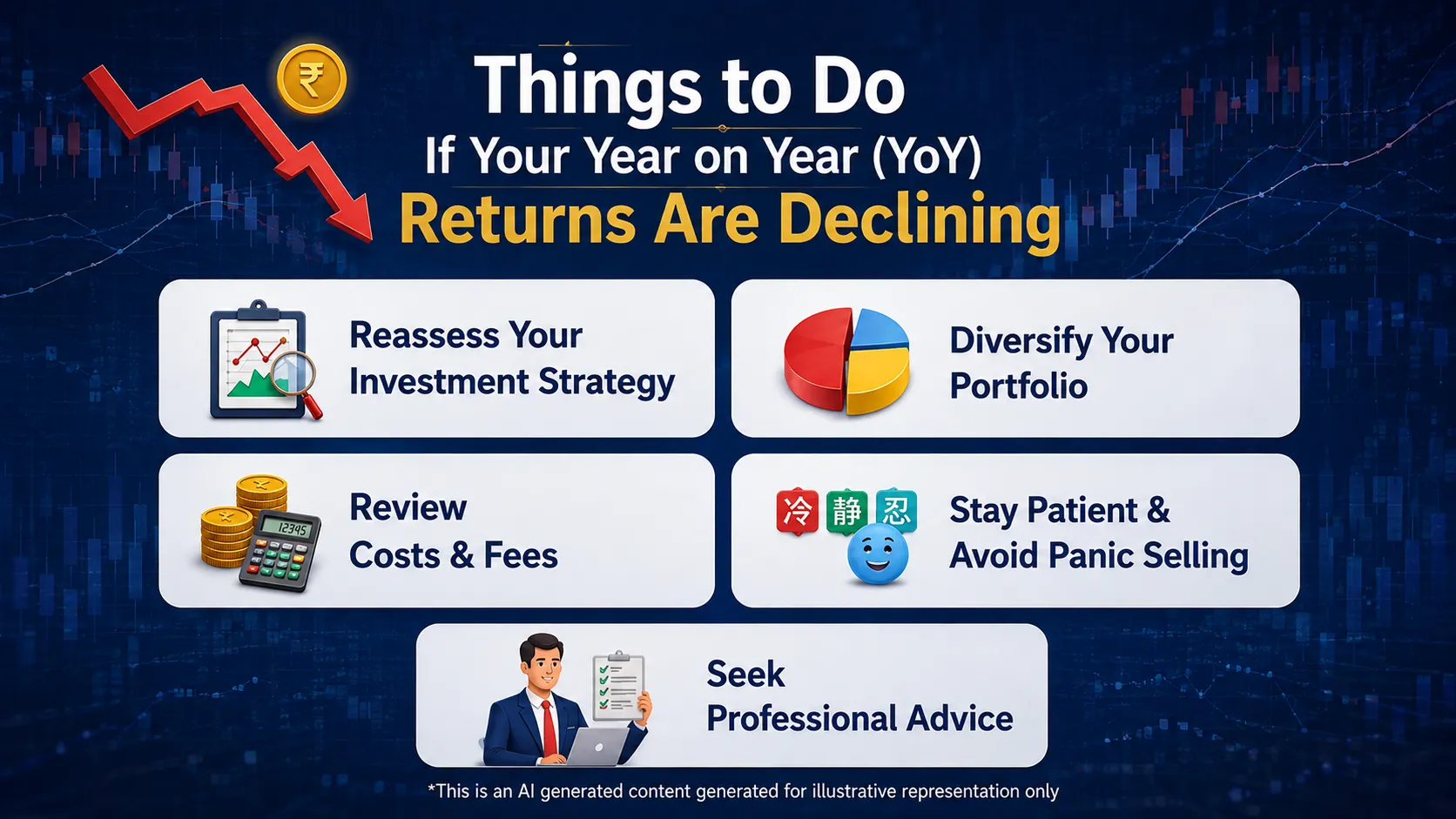
We all expect our investments to grow year after year—after all, that’s the whole point of doing investments. But sometimes, the numbers tell a different story: your year-over-year returns start to slide, leaving you wondering if the market is playing a prank on you. Before frustration sets in, it’s important to remember that downturns are a natural part of the investment journey. What really matters is how you respond when the ride gets bumpy.
This blog is your friendly guide to turning those declining returns around, with strategies that don’t just survive tough markets—they thrive in them. Plus, discover how SubhShanti Wealth brings professional expertise to help you steer your portfolio back onto the path of growth and confidence.
Understanding Why Returns Decline
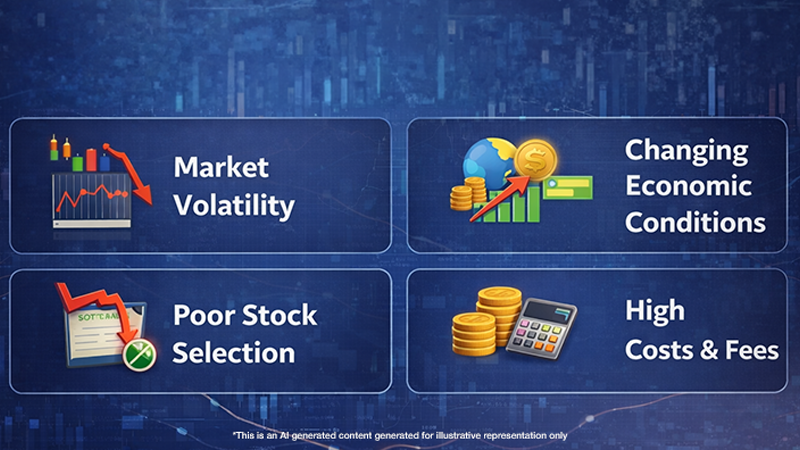
Market Volatility and Sector Rotations
The investment landscape of 2025 has been particularly challenging, with frequent sector rotations disrupting traditional momentum strategies. Markets have witnessed defensive sectors like FMCG and pharma leading returns early in the year, followed by cyclicals like banks and capital goods taking over post-election optimism, and then mid- and small-caps experiencing brief rallies before sharp reversals.
Psychological Factors at Play
Investor behavior often becomes the biggest enemy during declining returns. Research consistently shows that voluntary investor behavior is the leading cause of portfolio underperformance, stemming from psychological triggers like panic selling, buying high, poor allocation strategies, and herd mentality.
Before making any portfolio changes, it’s worth pausing to separate emotion from strategy—a simple but powerful framework we’ve shared in The 5-Minute Rule to Test If You’re Investing Emotionally.
Strategic Actions to Combat Declining YoY Returns
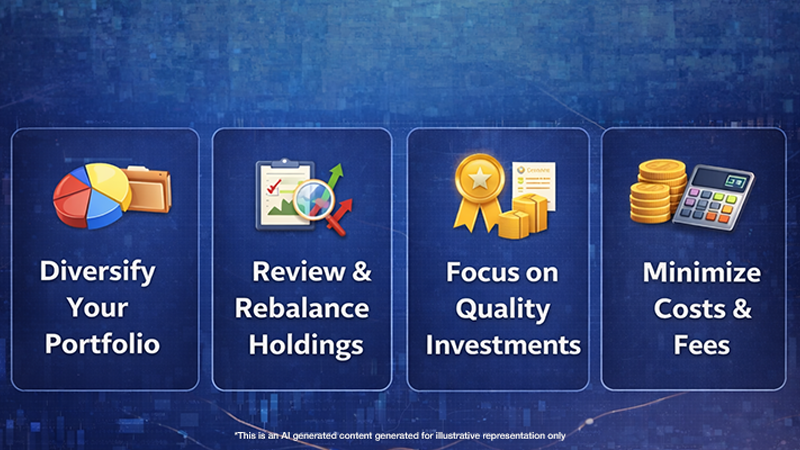
Portfolio Rebalancing: Your First Line of Defense
Regular Review and Rebalancing is crucial when returns start declining. Portfolio rebalancing involves reviewing your investments and restoring the original asset allocation by buying and selling securities to maintain your desired risk-return profile. This strategy forces you to buy low and sell high, potentially enhancing returns over time.
The key steps include:
- Identifying your optimal asset allocation based on risk tolerance
- Checking your portfolio’s current asset mix quarterly or semi-annually
- Selling overperforming assets and buying underperforming ones to maintain balance
- Over time, this discipline of restoring balance becomes a silent driver of long-term outcomes, which we’ve explored further in Rebalancing: The Understated Discipline That Keeps Portfolios Healthy.
Diversification Strategy Overhaul
Effective diversification goes beyond just spreading money across different funds. It involves investing across different asset classes (equity, debt, hybrid funds), various sectors (technology, healthcare, finance), and different market capitalizations to mitigate sector-specific risks.
Systematic Investment Approach
Systematic Investment Plans (SIPs) offer a disciplined approach during volatile periods. SIPs leverage rupee cost averaging, where you buy more units when prices are low and fewer when prices are high, potentially lowering your average cost per unit over time. This approach helps navigate market volatility while maintaining investment discipline.
Cost Optimization
Minimizing costs and expenses can significantly impact overall returns. Focus on choosing funds with lower expense ratios and being mindful of exit loads, as even small differences in fees compound significantly over time.
Advanced Techniques for Return Enhancement
Multi-Factor Investment Approach
Modern portfolio management increasingly relies on multi-factor strategies that blend momentum with other factors like value, low-volatility, and quality to smooth returns during challenging periods. This approach provides more consistent performance across different market conditions.
Alternative Investment Integration
Sophisticated investors are exploring alternative investment strategies including private credit, hybrid capital, and systematic strategies based on disaggregated drivers of asset prices. These approaches can provide diversification benefits and potentially enhanced risk-adjusted returns.
Technology-Driven Insights
Leverage advanced analytical tools and research driven insights to systematically extract information from large, complex datasets. This technological advantage helps identify opportunities and risks that traditional analysis might miss.
The Recovery Roadmap
Setting Realistic Expectations
Recovery from declining returns requires realistic expectation setting. Historical data shows that significant drawdowns are followed by periods of robust outperformance, but the timing can be unpredictable. Setting expectations below market averages initially can help maintain rational decision-making.
Continuous Learning and Adaptation
The investment landscape constantly evolves, making continuous education essential. Staying informed about market trends, economic changes, and new investment opportunities through reliable financial news sources, webinars, and professional guidance helps improve decision-making quality.
A Case Study
An investor had been steadily building a mutual fund portfolio over several years with consistent annual returns around 10-12%. However, in the recent period, the portfolio’s year-over-year returns began to decline significantly, dropping below 5%. Concerned about the growing underperformance and not being able to handle the situation anymore, the investor sought help from professional investment experts for a thorough portfolio assessment.
The experts identified key issues that were impacting returns:
- Overconcentration in a few underperforming sectors due to market cycles.
- Lack of regular portfolio rebalancing, causing drift from the target asset allocation.
- Investment in funds with relatively high expense ratios, reducing net gains.
- Insufficient diversification across asset classes, limiting stability during market volatility.
To address these, the experts implemented a tailored turnaround plan focused on:
- Diversifying investments across sectors and asset classes suited to the investor’s risk profile.
- Systematic and periodic rebalancing to maintain the optimal asset mix aligned with changing market conditions.
- Replacing high-cost funds with more cost-efficient, quality fund options.
- Reinforcing disciplined investing through continued systematic investment plans (SIPs).
Over the course of one year, the portfolio showed marked improvement, with annualized returns recovering close to 11%, restoring both financial health and investor confidence. This turnaround illustrates how professional expertise combined with disciplined strategy and portfolio management can effectively reverse declining returns and build a stronger, more resilient portfolio.
How SubhShanti Wealth Can Transform Your Declining Returns
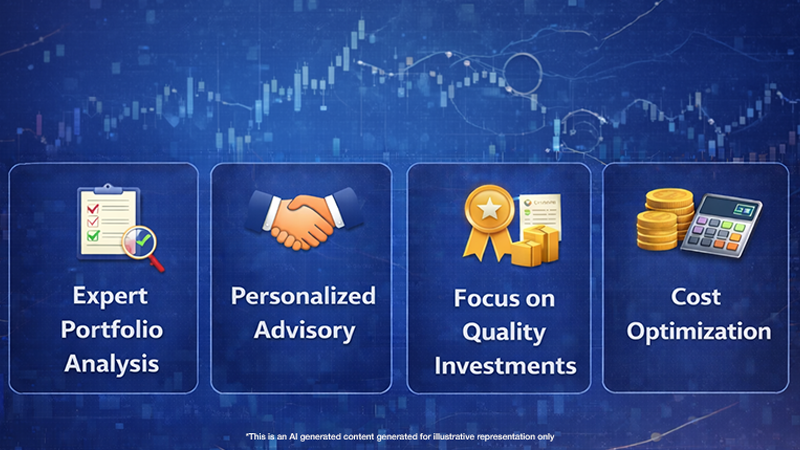
Professional Portfolio Management
SubhShanti Wealth brings sophisticated fund management techniques that individual investors often cannot implement effectively. Our professional approach includes tactical asset allocation, where fund managers adjust portfolio weights in response to changing market conditions, maximizing return potential while managing risk.
Advanced Rebalancing Strategies
While individual investors often struggle with emotional decision-making during market downturns, SubhShanti Wealth implements systematic rebalancing strategies based on data-driven insights rather than emotions. Our approach ensures portfolios are periodically rebalanced to maintain desired asset allocation, preventing portfolios from becoming skewed over time.
Active Monitoring and Risk Management
SubhShanti Wealth provides continuous portfolio monitoring that most individual investors neglect. Our team tracks economic conditions, market trends, and changes in investment landscapes to make timely adjustments that can significantly impact returns.
Access to Professional Research and Analysis
Through SubhShanti Wealth, clients gain access to professional research capabilities that help identify underperforming assets and substitute them with better-performing alternatives. This includes deep fundamental analysis to understand whether underperformance is due to temporary market corrections or fundamental issues.
Disciplined Investment Approach
SubhShanti Wealth eliminates emotional decision-making that often leads to poor investment outcomes. Our systematic approach focuses on long-term strategies rather than attempting to time the market, which research shows typically outperforms frequent trading.
Long-term Wealth Building Strategies
Patience During Market Cycles
Historical data from momentum strategies shows that even severe drawdowns averaging 31.79% over 192 days eventually recover, with average recovery times of 191 days. The key insight is that recovery processes can take as long as the decline itself, making patience crucial during challenging periods.
Maintaining Long-term Perspective
Long-term investing remains vital for reaping the benefits of compounding and riding out market fluctuations. History shows that markets tend to recover, rewarding patient investors who stay the course rather than making frequent portfolio changes that increase transaction costs.
Tax-Efficient Strategies
Implementing tax-efficient investing strategies, such as utilizing Equity-Linked Savings Schemes (ELSS) for tax deductions under Section 80C, can enhance overall returns. Strategic withdrawal planning can also minimize tax liabilities and improve net returns.
Taking Action: Your Next Steps
When facing declining YoY returns, the worst thing you can do is panic or abandon your investment strategy entirely. Instead, view this as an opportunity to strengthen your portfolio foundation. The combination of professional management through SubhShanti Wealth, systematic rebalancing, diversification enhancement, and disciplined long-term thinking creates a powerful framework for not just recovery, but enhanced future performance.
Remember, every successful investor has faced periods of declining returns. What separates the winners from the losers isn’t avoiding these periods—it’s how they respond to them. With the right strategies and professional guidance, today’s declining returns can become tomorrow’s foundation for exceptional wealth growth.
Disclaimer
This article is intended solely for educational and informational purposes. It does not constitute investment advice, trading recommendations, or a solicitation to buy or sell any securities or financial instruments. The views expressed are based on publicly available data, regulatory studies, and industry observations, including reports published by the Securities and Exchange Board of India (SEBI). Readers are advised to assess their financial objectives, risk appetite, and suitability before making any investment or trading decisions. Derivatives trading, including Futures & Options (F&O), involves substantial risk and may not be suitable for all investors. Past performance is not indicative of future results. Investors should consult a SEBI-registered investment adviser or other qualified financial professional before acting on any information presented herein.