

निवेशकों के लिए फिट है बैलेंस्ड एडवांटेज फंड
– संदीप छाजेड़, म्यूचुअल फंड वितरक
रूढ़िवादी निवेशकों की मुश्किल
रूढ़िवादी निवेशक फिलहाल मुश्किल स्थिति में हैं। कम रिटर्न तो ठीक है, लेकिन कोई भी नकारात्मक रिटर्न नहीं चाहता। कम ब्याज दर वाली व्यवस्था में जब सावधि जमा (FD) दरें 5 प्रतिशत के आसपास मंडरा रही हैं और मुद्रास्फीति (महंगाई) की दर अधिक है, तो रूढ़िवादी निवेशक असल में अपना पैसा खो रहे हैं क्योंकि रिटर्न की वास्तविक दर नकारात्मक है। यह तब हो रहा है जब ज्यादातर लोग शेयर बाजार के अपने रिटर्न पर शेखी बघार रहे हैं।
बैलेंस्ड एडवांटेज फंड (BAF) ही क्यों?
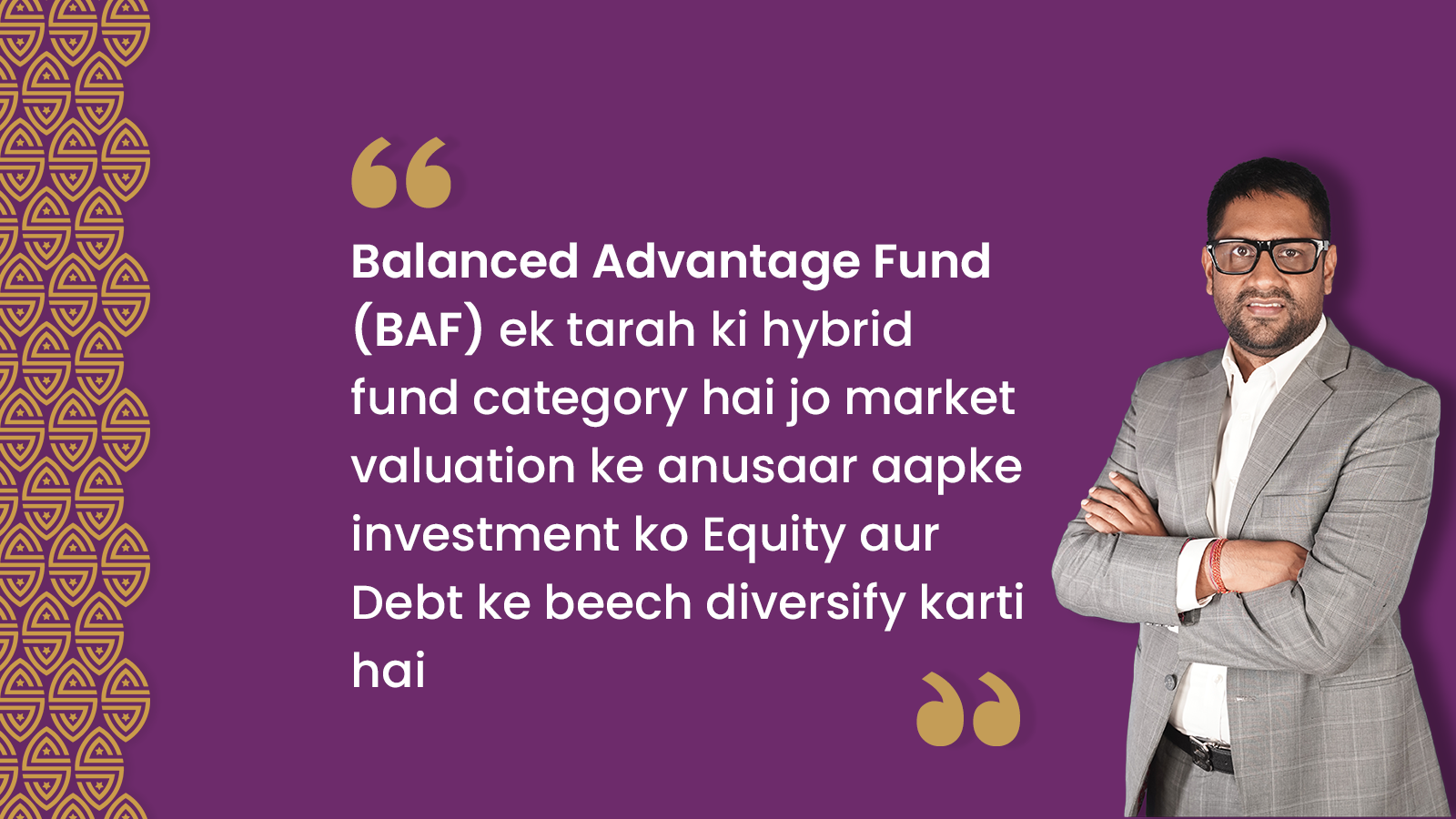
इसलिए, चाहे कोई रूढ़िवादी निवेशक हो या कोई और, उसे फंड की ‘बैलेंस्ड एडवांटेज’ कैटेगरी पर विचार करना चाहिए। बैलेंस्ड एडवांटेज फंड (BAF) एक प्रकार की हाइब्रिड फंड श्रेणी है जो बाजार मूल्यांकन के अनुसार इक्विटी और डेट के बीच आपके निवेश को विविधता देती है। इसके माध्यम से, निवेशक को इक्विटी का मजा लेने का अवसर मिलता है, जबकि साथ ही पोर्टफोलियो में डेट की उपस्थिति के कारण नकारात्मक पक्ष सुरक्षित रहता है।
बीएफ में निवेश कैसे करें?
जबकि अर्थव्यवस्था में सुधार हो रहा है, मुद्रास्फीति की लगातार वृद्धि और कच्चे तेल की बढ़ती कीमतें संकेत देती हैं कि अगला कुछ समय परीक्षण का हो सकता है। इसके अलावा, कोई नहीं जानता कि फेड के ‘टेपरिंग’ एक्सरसाइज पर बाजार कैसे प्रतिक्रिया देगा।
ऐसे समय में जब इक्विटी वैल्यूएशन महंगा है, आवंटन के लिए रूढ़िवादी दृष्टिकोण अपनाना सबसे अच्छा है। इसलिए, ऐसा बीएफ चुनना सबसे अच्छा है जिसे गतिशील (dynamically) रूप से मैनेज किया जाता है। इस श्रेणी में सबसे पुराना नाम आईसीआईसीआई प्रूडेंशियल बैलेंस्ड एडवांटेज फंड है। इसे इस श्रेणी में अग्रणी माना जाता है और यह अपने मॉडल आधारित दृष्टिकोण के लिए जाना जाता है। अपने दशक लंबे ट्रैक रिकॉर्ड में फंड ने दिखाया है कि कैसे निवेशक बहुत आक्रामक इक्विटी दांव लगाने के बजाय विवेकपूर्ण परिसंपत्ति आवंटन (asset allocation) से सार्थक लाभ कमा सकते हैं।
निष्कर्ष
अंत में, यदि आप मौजूदा बाजार परिदृश्य में निवेश करना चाहते हैं, तो कम नेट इक्विटी लेवल वाले बैलेंस्ड एडवांटेज फंड में निवेश करें।
English Translation
Balanced Advantage Funds are Fit for Investors
By Sandeep Chhajer, Mutual Fund Distributor
The Dilemma of Conservative Investors
Conservative investors are currently in a difficult position. While they are okay with low returns, nobody wants negative returns. In a low-interest-rate environment where Fixed Deposit (FD) rates hover around 5% and inflation is high, conservative investors are effectively losing money because the real rate of return is negative. This is happening at a time when most people are boasting about their high stock market returns.
Why Choose Balanced Advantage Funds (BAFs)?
Whether you are a conservative investor or otherwise, one should consider the Balanced Advantage Fund (BAF) category. BAF is a type of hybrid fund that diversifies your investment between equity and debt based on market valuations. This allows investors to enjoy the upside of equity while the presence of debt protects the portfolio during market downturns.
How to Invest in BAFs?
While the economy is recovering, the continuous rise in inflation and surging crude oil prices suggest that the coming times could be testing. Furthermore, it is uncertain how the market will react to the Federal Reserve’s “tapering” exercise.
In times when equity valuations are expensive, adopting a conservative approach to allocation is best. Therefore, it is wise to choose a BAF that is managed dynamically and conservatively. In this category, the oldest and most prominent name is ICICI Prudential Balanced Advantage Fund. It is considered a leader in this segment and is known for its model-based approach to asset allocation. Over its decade-long track record, the fund has shown how investors can earn meaningful gains through prudent asset allocation rather than aggressive equity bets.
Conclusion
Finally, if you wish to invest in the current market scenario, look for Balanced Advantage Funds with lower net equity levels.
Disclaimer
This article is intended solely for educational and informational purposes. It does not constitute investment advice, trading recommendations, or a solicitation to buy or sell any securities or financial instruments. The views expressed are based on publicly available data, regulatory studies, and industry observations, including reports published by the Securities and Exchange Board of India (SEBI). Readers are advised to assess their financial objectives, risk appetite, and suitability before making any investment or trading decisions. Derivatives trading, including Futures & Options (F&O), involves substantial risk and may not be suitable for all investors. Past performance is not indicative of future results. Investors should consult a SEBI-registered investment adviser or other qualified financial professional before acting on any information presented herein.